
Leading applicator of specialist coatings for the refurbishment of commercial properties across the UK
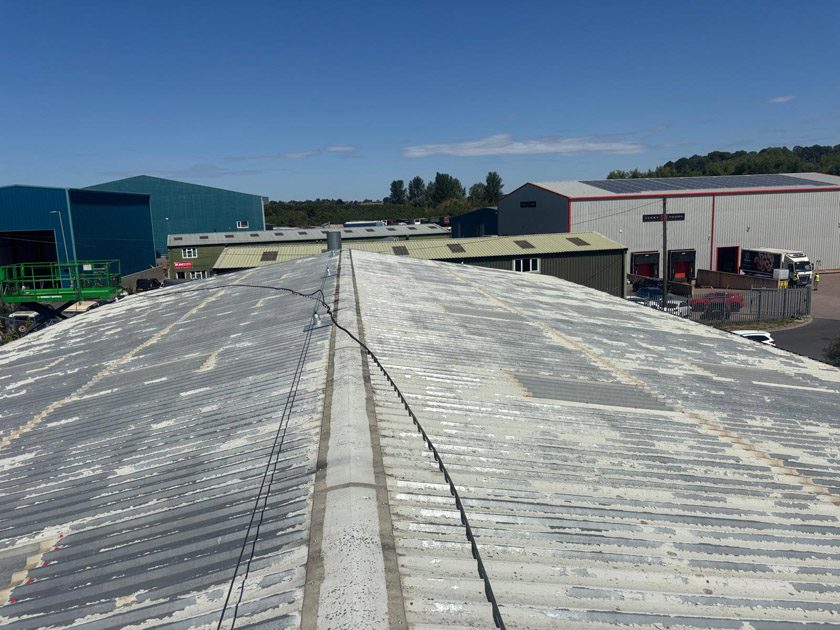
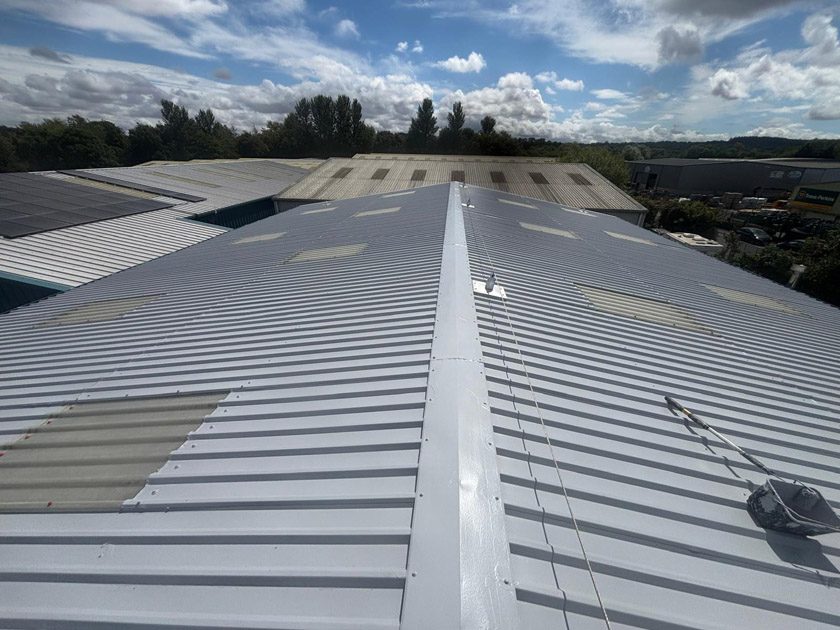
For many commercial and industrial properties, a deteriorating roof presents a significant challenge. Leaks, corrosion, weathering and ageing coatings can all contribute to concerns about building performance and long-term maintenance costs. However, a roof that is showing signs of wear does not always need to be replaced. In many cases, professional roof refurbishment can restore performance, extend service life and deliver substantial cost savings compared to a full roof replacement.
One of the most common questions we are asked is: “How much does commercial roof refurbishment cost?”The answer depends on several factors, including the size of the roof, its condition, the level of preparation required and the coating system specified. In this guide, we explain the key factors that influence costs and why refurbishment is often the most cost-effective solution for commercial and industrial buildings.
Why Consider Roof Refurbishment?
Replacing a commercial roof can be a major capital expenditure, often involving significant disruption to business operations. Roof refurbishment offers an alternative approach by restoring and protecting the existing substrate rather than removing and replacing it.
A professionally specified refurbishment can:
For many building owners, refurbishment provides an opportunity to maximise the value of their existing asset while avoiding the expense and downtime associated with a complete roof replacement.
Factors That Affect Commercial Roof Refurbishment Costs
1. Roof Size
The overall size of the roof is one of the most significant factors affecting project cost. Larger roofs naturally require more materials, labour and access arrangements.
While larger projects often benefit from economies of scale, the total investment will generally increase in proportion to the area being treated.
When pricing a refurbishment project, contractors will typically assess the total roof area measured in square metres to determine material quantities and installation requirements.
2. Condition of the Existing Roof
Not all roofs require the same level of preparation.
A roof that is structurally sound and only showing minor weathering may require relatively straightforward cleaning and coating application. However, roofs with extensive corrosion, failed sealants, damaged fixings or previous coating failures will require additional remedial work.
The condition assessment stage is critical because it identifies any underlying issues that need to be addressed before a coating system can be applied.
Common issues that may increase refurbishment costs include:
- Surface corrosion.
- Failed fixings.
- Damaged roof lights.
- Localised water ingress.
- Previous coating failure.
- Structural defects requiring repair.
3. Cut Edge Corrosion Treatment
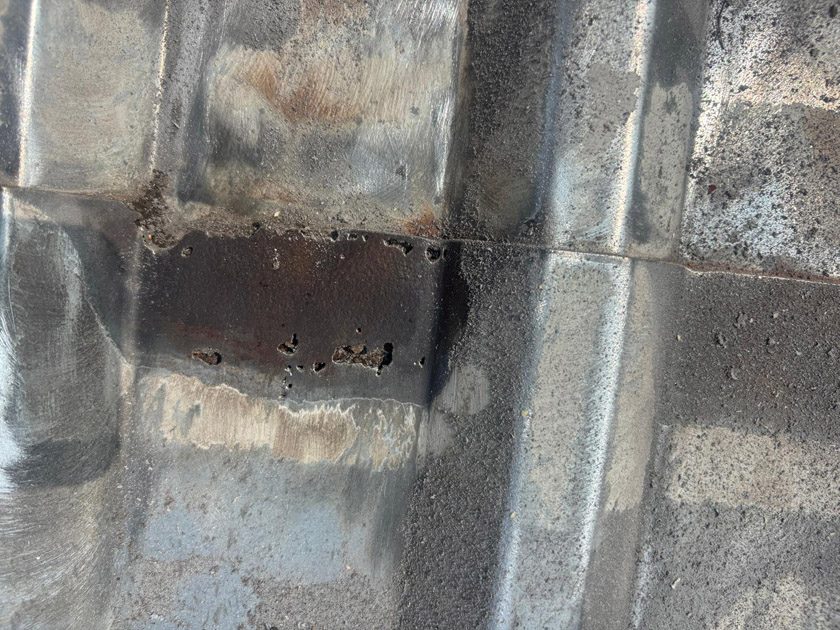
One of the most common problems affecting metal roofs is cut edge corrosion.
This occurs when the factory-applied protective coating begins to deteriorate at the exposed edges of metal sheets. Over time, rust develops and can spread across the roof if left untreated.
Where cut edge corrosion is present, specialist treatment will usually be required as part of the refurbishment process.
The extent of corrosion and the treatment specification will influence overall project costs. However, addressing cut edge corrosion early is significantly more cost-effective than allowing deterioration to continue unchecked.
Modern refurbishment systems, including advanced graphene-enhanced coating systems, can incorporate cut edge corrosion treatment within the overall refurbishment process, helping to restore and protect the roof for the long term.
4. Surface Preparation Requirements
Preparation is one of the most important stages of any roof refurbishment project and plays a major role in determining overall costs.
Proper preparation may include:
- High-pressure cleaning.
- Removal of contaminants.
- Moss and algae treatment.
- Corrosion preparation.
- Surface repairs.
- Priming where necessary.
While preparation represents an upfront investment, it is essential for ensuring coating adhesion and long-term system performance. Cutting corners during this stage can significantly reduce the lifespan of a refurbishment system.

5. Roof Access and Safety Requirements
Access arrangements can have a considerable impact on project costs.
Every commercial building presents unique challenges. Factors that may affect access requirements include:
- Building height.
- Roof configuration.
- Restricted access areas.
- Working around operational facilities.
- Health and safety considerations.
Access solutions may involve:
- Mobile elevated work platforms (MEWPs).
- Scaffold systems.
- Rope access techniques.
- Edge protection systems.
The more complex the access requirements, the greater the impact on overall project costs.
6. Coating System Specification
Not all roof coating systems are the same.
The quality, performance characteristics and expected lifespan of a coating system will influence both initial costs and long-term value.
Factors affecting specification include:
- Roof substrate type.
- Existing roof condition.
- Exposure to environmental conditions.
- Required warranty period.
- Desired service life.
Higher-performance systems may involve a greater initial investment but can provide substantially longer maintenance cycles and improved lifecycle value.

Is Roof Refurbishment Cheaper Than Roof Replacement?
In many cases, yes.
Roof replacement typically involves stripping and disposing of existing materials, supplying new roofing systems and undertaking extensive installation works.
By contrast, refurbishment works with the existing roof structure wherever possible.
This often results in:
- Lower project costs.
- Reduced waste generation.
- Less disruption to building occupants.
- Faster project completion.
- Improved sustainability outcomes.
For many industrial and commercial properties, refurbishment can provide an effective extension of roof service life without the financial burden of replacement.
The Importance of a Professional Roof Survey
The only reliable way to determine refurbishment costs is through a professional roof survey.
A professional roof survey provides the foundation for a successful refurbishment project by assessing the overall condition of the existing roof and identifying any issues that could affect long-term performance. During the survey, an experienced contractor will evaluate the extent of any corrosion, determine whether repairs are required, review access arrangements and safety requirements, and identify the most suitable coating systems for the roof substrate and environment. The survey will also define the full scope of work, enabling an accurate specification and quotation to be prepared while ensuring any refurbishment programme is tailored to the building’s specific needs.
This enables an accurate specification to be developed and ensures that any quotation reflects the actual condition and requirements of the roof.
Investing in Long-Term Asset Protection
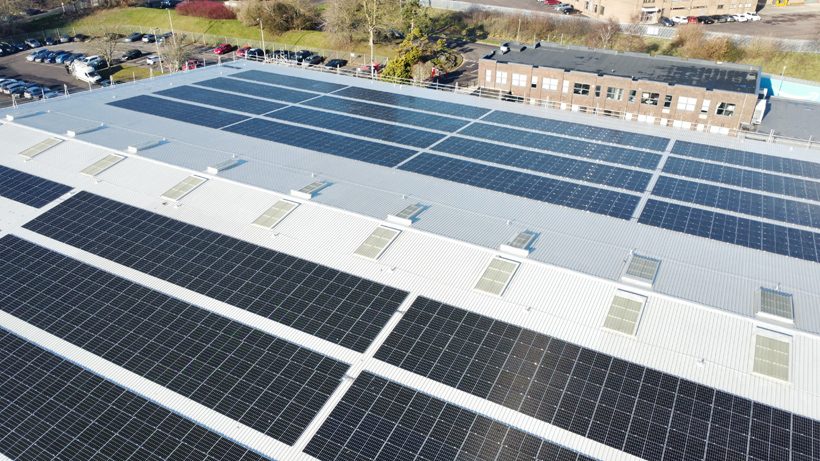
Commercial and industrial roofs represent a significant asset. Allowing deterioration to continue can ultimately result in more extensive repairs or premature replacement.
A well-planned refurbishment programme helps building owners protect their investment, extend roof lifespan and manage maintenance budgets more effectively.
While the cost of refurbishment varies depending on the size, condition and complexity of each project, it is typically one of the most cost-effective ways of extending the life of an existing commercial roof.
At Cladding Coatings Ltd, we specialise in commercial and industrial roof refurbishment solutions that restore performance, address corrosion issues and provide long-term protection for buildings across the UK. Through detailed surveys, tailored specifications and high-performance coating systems, we help clients maximise the lifespan of their roofing assets while avoiding the cost and disruption of premature replacement.
You can contact us to carry out a roof survey and site inspection to give you a details costs and recommendation of what is required for your commercial roof refurbishment. If you are looking for a budget quote then we can provide this with a few details, photos and size of roof.