How Can We Help You?
Please provide a few details below and we will respond to you as soon as possible.

Minimum Energy Efficiency Standards (MEES) for commercial properties are entering a new phase, following the Government’s Interim Response published in June 2026. After several years of uncertainty, landlords now have clearer timelines for when higher EPC requirements will come into force. The most significant change is that larger privately rented non‑domestic buildings, those over 1,000 square metres, will need to achieve a minimum EPC rating of B by 2031, provided the improvements are considered cost‑effective.
This marks a substantial shift from the current minimum standard of EPC E and places a renewed focus on upgrading older industrial and commercial stock.
Smaller commercial buildings under 1,000 square metres will not yet face the same uplift. For these properties, the existing EPC E requirement remains in place for the time being, giving landlords additional breathing room before further changes are introduced. The Government has also confirmed that the previously proposed interim milestone, which would have required all commercial buildings to reach EPC C by 2027, has been removed. This decision simplifies the compliance pathway but does not reduce the long‑term expectation that commercial premises will need to improve their energy performance.

Although the deadlines have shifted, the direction of travel is unchanged, commercial landlords will be expected to upgrade their buildings, and the focus is firmly on improving the fabric and efficiency of the existing built environment. With 2031 now set as the key compliance date for larger buildings, many owners are beginning to assess how their properties perform and what practical steps they can take to prepare. For buildings with ageing cladding systems, deteriorated coatings or poor thermal performance, refurbishment of the external envelope is becoming an essential part of long‑term compliance planning.
Commercial property owners across the UK are beginning to feel the pressure of tightening energy performance expectations. While residential EPC reforms have shifted, the government’s direction for non‑domestic buildings is that commercial premises must improve their energy efficiency to meet national carbon‑reduction targets. This means thousands of industrial units, warehouses, retail parks and business premises will need to take action over the coming years to ensure they remain lettable, insurable and compliant.
For many landlords, the challenge is that a significant proportion of commercial buildings still sit at EPC ratings of E, F or G. These older properties often struggle with poor thermal performance, ageing cladding systems, deteriorated seals and outdated materials that no longer meet modern standards. As minimum energy standards rise, these buildings risk becoming harder to let, more expensive to insure and less attractive to tenants who are increasingly focused on reducing operational costs. The commercial market is shifting, and landlords who act early will be better positioned than those who wait until compliance becomes urgent.
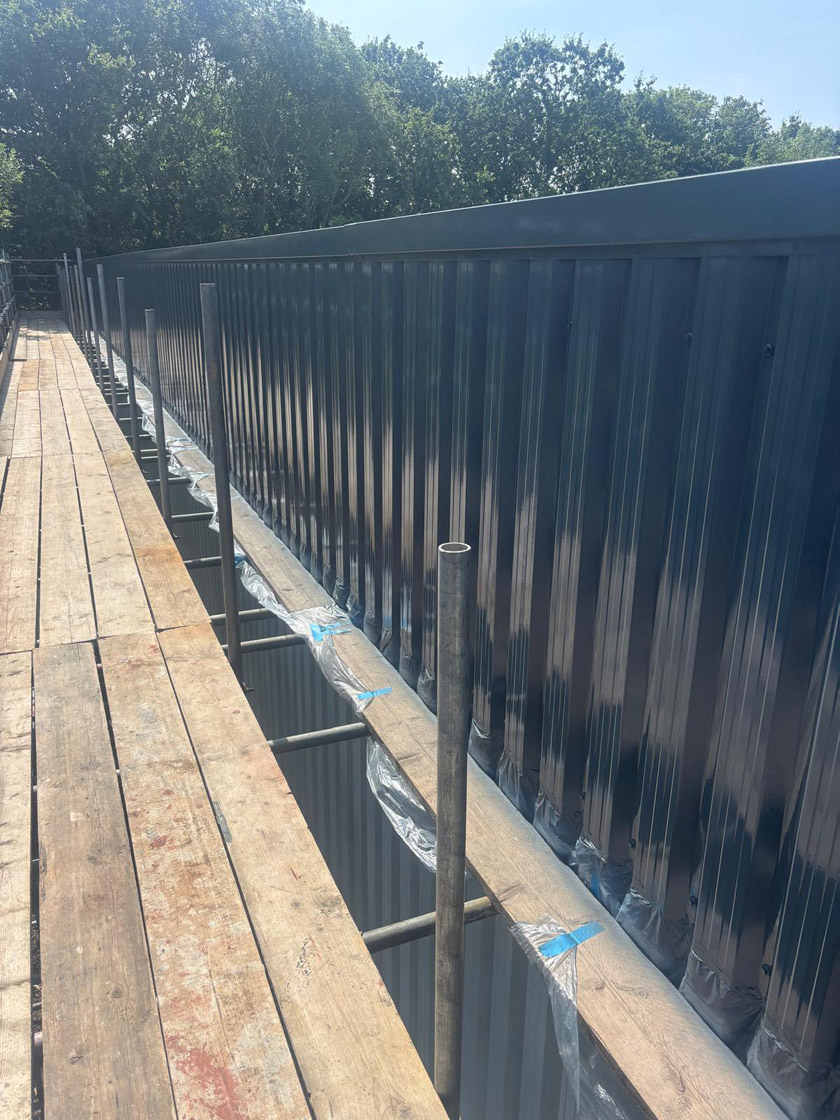
One of the most effective ways to improve a building’s energy performance is through a fabric‑first approach. Rather than immediately investing in mechanical upgrades or expensive system replacements, a fabric‑first strategy focuses on improving the building envelope itself. This includes the cladding, coatings, insulation and external structure. For metal‑clad and composite‑panel buildings, refurbishment of the external envelope can deliver meaningful improvements to thermal performance, air tightness and overall building efficiency.
Cladding refurbishment plays a central role in this. Over time, external cladding is exposed to weathering, UV damage, corrosion, sealant failure and general wear. These issues may seem cosmetic at first, but they have a direct impact on how well a building retains heat, manages solar gain and protects internal environments. When coatings fade or break down, the underlying material becomes more vulnerable to temperature fluctuations. When seals deteriorate, air leakage increases, forcing heating and cooling systems to work harder. When corrosion spreads, the structural integrity of panels can weaken, creating further inefficiencies.
Refurbishment addresses these problems by restoring the building envelope to a high‑performing condition. Modern coating systems are designed not only for appearance but for improved solar reflectivity and enhanced durability. A newly coated façade can reflect more sunlight, reducing heat absorption and helping to stabilise internal temperatures. This is particularly valuable for logistics hubs, manufacturing facilities and large industrial units where internal climate control is essential for operations. By improving the thermal stability of the building, energy consumption naturally decreases, supporting a stronger EPC rating.
Another advantage of refurbishment is its ability to extend the lifespan of the building envelope. Full cladding replacement is costly, disruptive and often unnecessary. Refurbishment allows landlords to achieve performance improvements without the expense and downtime associated with replacement works. It also supports long‑term compliance planning, giving property owners a practical way to upgrade their buildings in stages rather than facing sudden, large‑scale interventions.

Landlords are increasingly recognising the value of proactive refurbishment. Tenants are more aware of energy costs than ever before, and many actively seek premises that offer better thermal performance and lower running expenses. Insurers are also paying closer attention to the condition of external building materials, with some tightening requirements around corrosion, fire‑resistant materials and general façade integrity. A well‑maintained exterior can help reduce premiums and avoid situations where insurers demand remedial work before renewing policies. In a competitive commercial market, refurbished units also tend to lease more quickly and command stronger rents, particularly in high‑demand sectors such as logistics and warehousing.
A typical cladding refurbishment programme begins with a detailed external condition survey. This identifies areas of deterioration, corrosion, sealant failure and coating breakdown. Once assessed, the building undergoes cleaning and preparation to ensure surfaces are ready for treatment. Corrosion is addressed, damaged panels are repaired or replaced where necessary, and high‑performance coating systems are applied to restore protection and improve appearance. Sealants are renewed to reduce air leakage, and colour‑change options can modernise ageing units, making them more appealing to prospective tenants.
Cladding Coatings supports landlords through every stage of this process. With extensive experience in commercial and industrial refurbishment, the team provides expert surveys that highlight EPC‑impacting issues and offer practical solutions. High‑performance coating systems are selected for longevity, ensuring the building envelope remains protected for years to come. Projects are managed with minimal disruption, allowing businesses to continue operating while refurbishment takes place. For landlords preparing for upcoming EPC changes, this approach offers a cost‑effective, future‑proof solution that enhances both performance and asset value.
As energy standards evolve, commercial property owners will increasingly rely on fabric‑first improvements to keep their buildings compliant. Cladding refurbishment is one of the most efficient ways to achieve this, delivering measurable benefits without major structural work. For landlords looking to stay ahead of regulatory changes, now is the ideal time to invest in the building envelope and secure long‑term performance.
Our experienced teams are well equipped to support landlords and property owners as they prepare for these upcoming EPC changes. We offer a wide range of refurbishment options tailored to commercial and industrial buildings, ensuring each project delivers long‑lasting improvements to the building envelope. If you are unsure how your property currently performs or what upgrades may be required, we can carry out a free site survey, provide clear and practical advice, and supply a no‑obligation quotation for any recommended works. To discuss your building or arrange a visit, please contact us.
At Cladding Coatings, our reputation has always been built on delivering high‑quality refurbishment, repair and protective coating services with professionalism, consistency and care. As a nationwide specialist working across commercial, industrial and public‑sector environments, our clients rely on us not…